
Chapter I
The durability of the physical and optical properties and the beauty of precious metals (gold, silver, platinum), along with the inclusion of gemstones in the art of jewelry-making, inherently guarantee its value as a sound investment in the medium to long term. The stability and rising value of the raw materials used in this noble art are certainly the guarantee of an excellent investment.
Currently, global gold mining exceeds 3,500 metric tons annually, with an additional 300 metric tons coming from recycling, yet it remains a true store of financial value with multiple applications in high-precision technologies and industries.
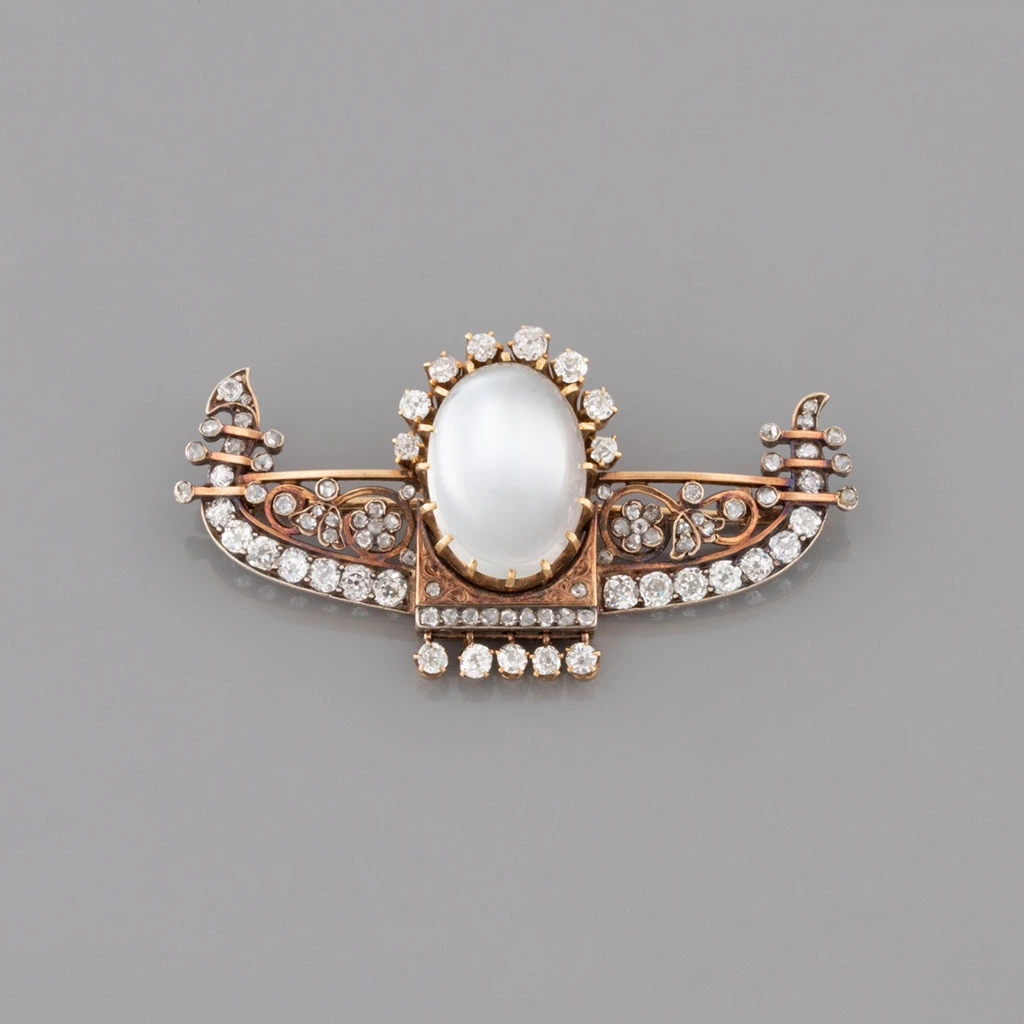
It is the craft par excellence of ingenuity and artistry, combined with the skill of transforming cold metal, sometimes in the form of nuggets sometimes rolled, into treasures cherished by kings and princesses who cultivate and value charm, beauty, and luxury.
Investing in goldsmithing is also undoubtedly an act of knowledge and culture in the sense of studying our Masters, Artists, Ateliers, or Art Workshops. As for natural diamonds used in jewelry, it is estimated that only about 20% of global production is considered Gem Quality and recommended as an investment. Botswana holds the highest-quality diamonds in its primary reserves.
When evaluating a diamond, it is very important to emphasize the precision of the angles between the diamond’s 57 or 58 facets, as well as its weight, clarity, color, brilliant cut, and its variations, while also taking into account its finish and final polish. It is worth noting that Israel has earned international and historical recognition for its excellent quality and high technological precision in the cutting of large diamonds, and currently hosts diamond exchanges of the highest standard in the city of Tel Aviv.
In the field of silver investment and appreciation, we have admirable master silversmiths who are highly skilled in the craftsmanship and finishing of precious metals, as well as historically significant artists in various manufacturing centers. We recall some of the lesser-known figures:
João Ramos Ortiz, a master of the sawing technique;
José Maria, a profound master of rocaille and neoclassical styles;
Sebastião Coelho, who mastered the Baroque style;
António José de Azevedo, remarkable in the execution of rocaille ornamentation;
João Pinto Pereira, a master engraver of neoclassical and “lavradinho” techniques;
Francisco Duarte Graça, an important goldsmith from Guimarães who accompanied King João VI to Brazil.
We neither wish nor can we forget the great, important, and remarkable Rafael Zacarias da Costa and his “faca de mato”, the epic story of a small great national treasure.
José Baptista.